
JUWI plan proposes radio-frequency tests for Adobe Creek solar project
The plan calls for measuring signals at a similar operating solar facility with its inverters off and on, then estimating levels at the Plishner observatory.
Published at
JUWI’s plan for the conditionally approved 500-megawatt Adobe Creek solar project proposes comparing radio-frequency readings from a similar operating solar facility to estimate signal levels at the Plishner Radio Astronomy and Space Sciences Center, about 12 miles away, the plan says.
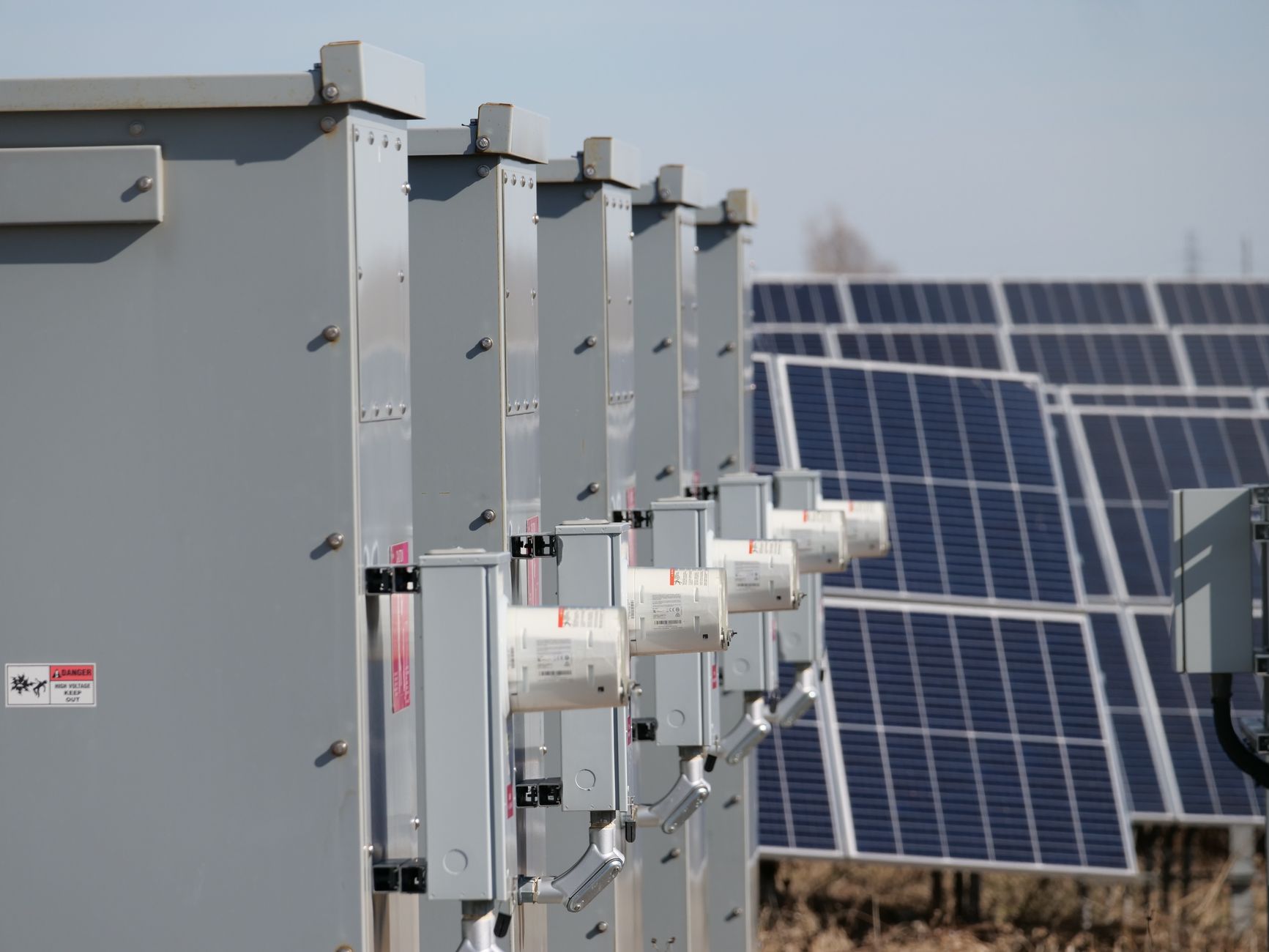
The company proposes using a facility with a comparable inverter design because the model selected for Adobe Creek had not yet been commissioned on a 60-hertz system in the United States. The plan calls for measuring at a location chosen by the observatory’s operator, the Deep Space Exploration Society, with the inverters off and then running. The readings would be used to estimate expected signal levels at the observatory. A researcher volunteered to assist, and the plan says testing would be scheduled when JUWI and society representatives could attend.
JUWI’s plan quotes Condition 26 as requiring the company to submit a commercially reasonable radio-frequency monitoring and mitigation plan at least one month before construction and document that it considered the society’s assessment. The condition text reproduced in the plan says the applicant and County Administrator may agree in writing to extend the deadline. Kiowa County approved the project’s 1041 permit with conditions, local reporting on the county’s action said.
The plan says the project is planned for commissioning in 2029, but gives no test date. It reports no test results and does not show that Adobe Creek has caused interference with observatory operations.