
Logan County EMS plans medical-facility transport service with $2.1 million state grant
The five-year effort would add staffing, equipment and an ambulance; EMS representatives said the county must sign the grant contract and submit advance-payment forms by Oct. 15.
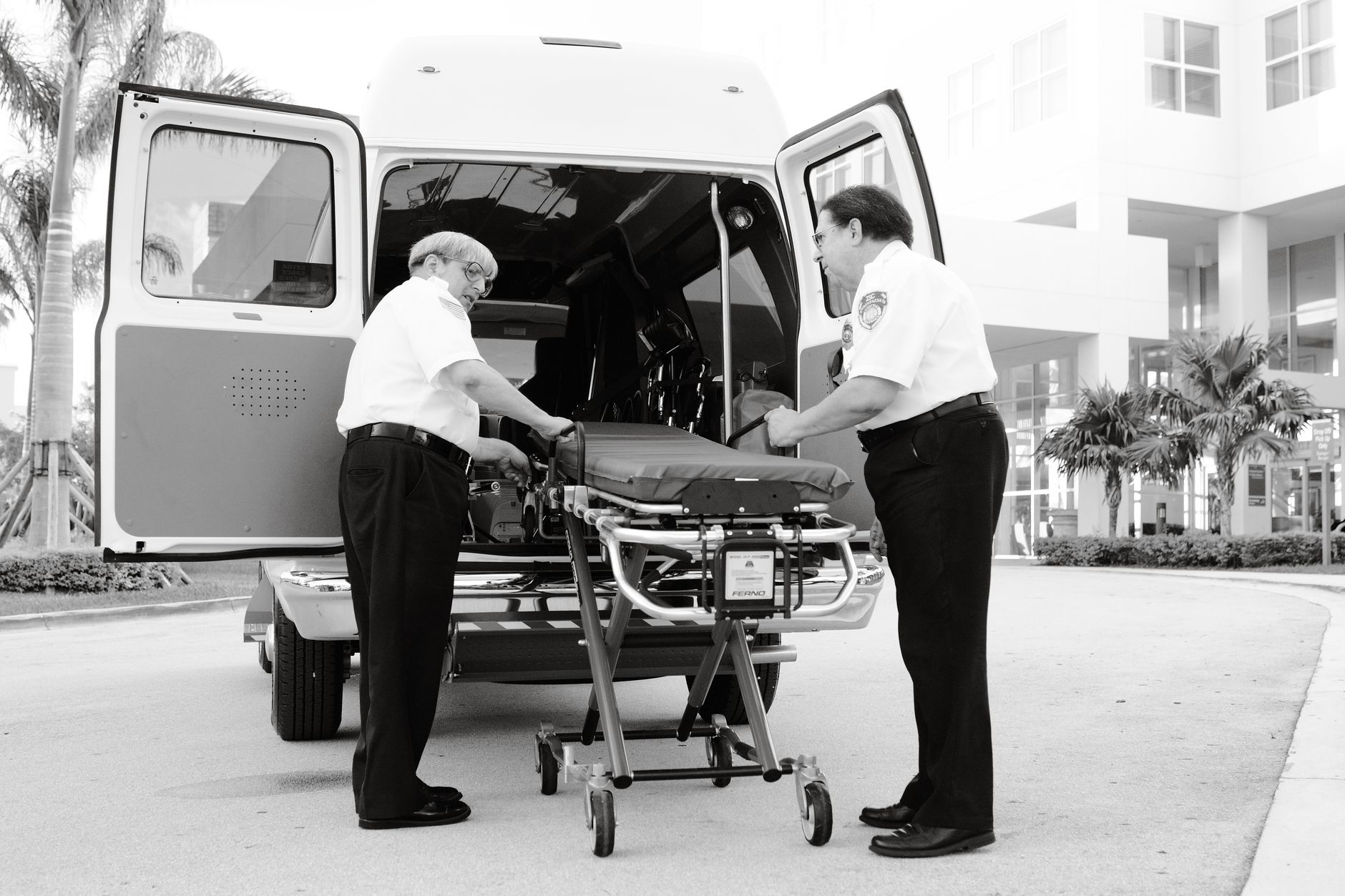
Logan County EMS plans to use a $2.1 million state grant to expand staffing and equipment and launch ambulance trips between medical facilities, EMS representatives told county commissioners Sept. 29. The Colorado Department of Health Care Policy and Financing’s awardee list names Logan County for $2,096,141 through the Rural Health Transformation Program.
The plan includes a critical-care medic, an ambulance for interfacility transport, part-time emergency medical technicians and equipment such as cardiac monitors. Representatives described the award as part of a five-year effort.
EMS representatives said the county must sign the grant contract by Oct. 15, before incurring expenses, and submit forms for an advance-payment request by that date. They said an advance could help the county avoid fronting about $2 million while waiting for reimbursement. The county had received the approved budget but not the electronic contract paperwork, they said.
Commissioners discussed reviewing the contract and possibly acting at their Oct. 6 meeting. They had not voted on or signed the agreement during the Sept. 29 work session.
Representatives said the county would track interfacility-transport expenses separately from 911 service costs, including through separate books and payroll codes for staff working across both functions. They said the service could bill for its transports, with revenue supporting costs, though some details remained subject to clarification in the contract and grant requirements.
Officials said they expect to assess the service’s financial sustainability around years two or three. If revenue falls short, they said the county could seek other funding, scale back service or change course. They said the county is not committed to continuing the service after the five-year grant period.