
Elbert planning panel recommends Colorado Plains Ranch plan and eight-district service plan
The commission made separate 6-2 recommendations on the 5,671.9-acre development plan and the proposed service plan for eight metropolitan districts; neither is final county approval.
Published at
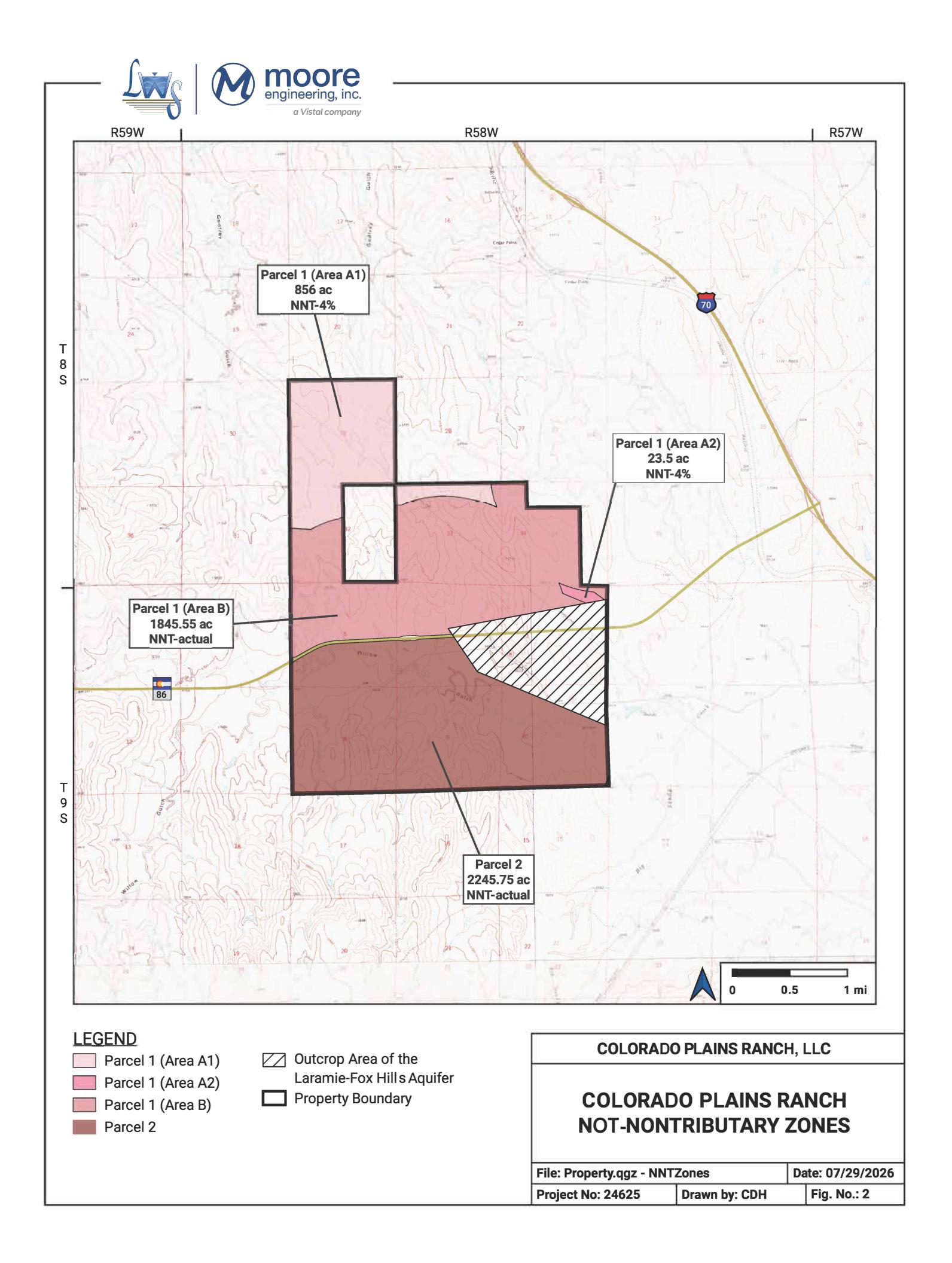
Elbert County’s Planning Commission voted 6-2 on Nov. 5 to recommend approval of the 5,671.9-acre Colorado Plains Ranch development plan with 21 conditions. Commissioners separately voted 6-2 to recommend approval of a proposed service plan for eight metropolitan districts, the draft minutes record. Neither recommendation is final county approval. The development plan would not authorize construction, and county staff have identified water-supply and traffic issues for the application to address, the commission’s report says.
The 21 recommended conditions combine six proposed by staff and 15 added by commissioners. The added conditions would require public notice and hearings before both the Planning Commission and the Board of County Commissioners for projects subject to enhanced site development plan (ESDP) review; set a 35-acre minimum lot size for subdivisions within the planned unit development, with smaller lots requiring an amendment; require data centers to use closed-loop cooling and send all system discharge offsite for treatment; and bar water imported into the PUD for data-center use from any Denver Basin aquifer. These are recommendations, not approved requirements.
The service plan covers four numbered districts and water and sanitation, commercial, industrial and transportation districts. The Board of County Commissioners is the approving authority, and county staff scheduled a hearing on the plans for Dec. 16, a staff memorandum says.
The proposal would rezone the site from Agriculture to a planned unit development (PUD), a framework for future development rather than approval to build. It divides the property into areas for industrial agriculture; industrial, technology and energy uses; transportation; and uses along State Highway 86. Examples include data and technology operations, energy generation and storage, mining, feedlots and concrete batch plants. The application lists 44 permitted uses, with additional review for higher-impact projects; a separate county water review refers to 83 uses in the Development Guide. Those counts refer to different lists, the application materials explain.
In an Oct. 1 review, county staff said the water report quantified supply for only one Phase 1 use and did not establish that water could support all 83 uses in the Development Guide. Staff requested analysis showing the proposed supply could support the uses, or a narrower list reflecting available water, as well as clarification of the permitting timeline and responses to state water-resource comments. The staff report caps annual water supply for the site at 184.7 acre-feet under the county’s 300-year rule. One commission-recommended condition would require the applicant to demonstrate final water rights or legally available supply consistent with that allocation before the first ESDP. It would bar approval if cumulative demand exceeds the authorized supply or the PUD allocation, whichever is lower, the Oct. 1 county review says.
The county review said the submitted traffic memo did not analyze impacts. Staff requested a study certified by a licensed professional engineer covering trip estimates, roads and intersections, construction traffic, and access plans addressing State Highway 86 requirements. The report said preliminary traffic studies and a Colorado Department of Transportation access permit were not complete; a staff-proposed condition would require studies and permits before site-development-plan approval.
Higher-impact uses would require enhanced site-plan review. The commission’s recommendation calls for public hearings before both the Planning Commission and county commissioners for projects in that process. The county could also require enhanced review for a project submitted as a standard site-development plan. Other uses would still require site-plan review. The applicant proposes a metropolitan district or another arrangement to provide water and wastewater service; the county would need to approve the service arrangement before site-plan approval.
By Nov. 10, county staff had received 23 written comments: six in favor, 15 opposed and two from mineral-rights owners acknowledging their continued rights, the staff report says. The report separately counted 36 comments during the Nov. 4-5 commission hearing, characterized as approximately 18 opposed, 12 supportive and six neutral or focused on questions.
In a Nov. 9 letter, Colorado Plains Ranch’s attorney proposed changes to several conditions added by commissioners. The applicant said it would add environmental and historic or cultural-resource reviews to enhanced site-plan applications and would add a Planning Commission hearing to that process if the county commissioners require it. That position differs from the commission’s recommendation for hearings before both bodies. The applicant also proposed allowing the county development director to send standard-review uses to enhanced review based on their scale, location or impacts.
For data and technology operations, the applicant proposed closed-loop cooling, a ban on using groundwater beneath the property for cooling, and documentation of cooling-water sources and volumes. It proposed limiting the source restriction to water from within Elbert County rather than the broader Denver Basin restriction recommended by commissioners. The applicant opposed a recommended condition excluding nuclear and jet-engine power generation, while asking the county commissioners to require on-site generation and storage capable of serving those operations’ full load without relying on the regional grid as their primary supply.
The applicant said several other matters, including water availability, fire protection and subdivision procedures, were already addressed in the PUD materials. It proposed capping any use-tax abatement at 20% for no more than 10 years and requiring the Development Agreement to be finalized before the PUD is recorded. These are applicant proposals, not approved conditions, the applicant’s Nov. 9 response says.
Earlier reviewers questioned whether proposed district boundaries and taxing authority could overlap and requested support for property-value assumptions in financial models. A draft Water and Sanitation District service plan lists a 55-mill maximum debt levy, subject to adjustment, while its numerical plan used a 7-mill base-debt-levy assumption; neither figure is an adopted tax rate. The reviewers’ comments raise the district-boundary and valuation questions, and the proposed service plan lists the maximum levy.
County Attorney Lance Ingalls asked that proposed service plans require at least two forms of notice to affected property owners before fee increases and that annual reports include available water-well-level data. Applicant’s counsel said both provisions would be added, in an exchange with county staff.