
Elbert planning panel recommends Colorado Plains Ranch plan and eight-district service plan
The commission made separate 6-2 recommendations on the 5,671.9-acre development plan and the proposed service plan for eight metropolitan districts; neither is final county approval.
Published at
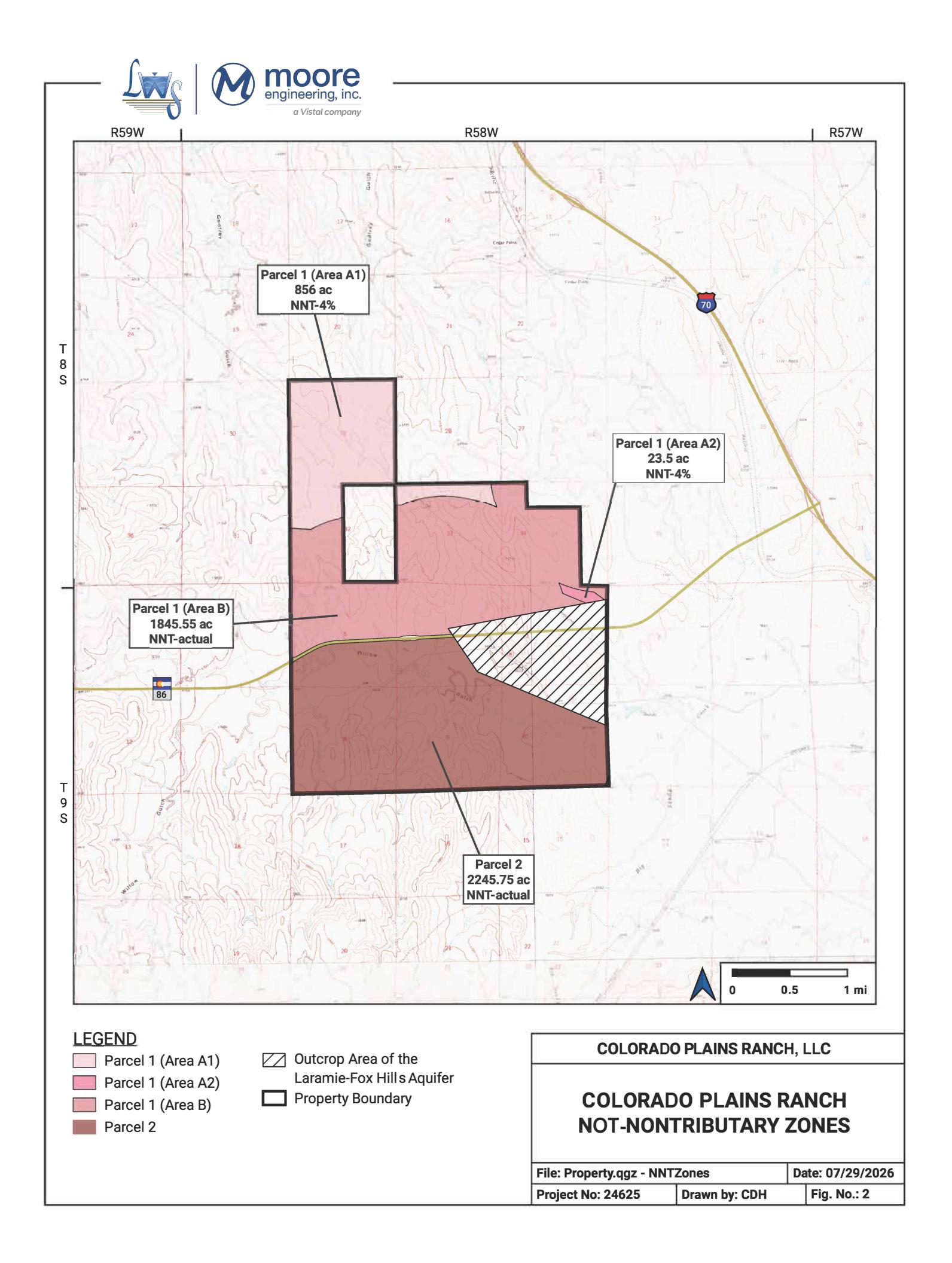
Elbert County’s Planning Commission voted 6-2 to recommend approval of a 5,671.9-acre Colorado Plains Ranch development plan with 21 conditions. The recommendation does not authorize construction; county reviewers say the application still needs to address water supply and traffic impacts, the commission’s report says.
Commissioners also separately voted 6-2 on Nov. 5 to recommend approval of a proposed service plan for eight metropolitan districts. The motion incorporated conditions and findings recommended in a staff report, the meeting minutes say. The plan includes four numbered districts and water and sanitation, commercial, industrial and transportation districts. The Board of County Commissioners (BOCC) is the approving authority; county staff scheduled a hearing on the service plans for Dec. 16, a staff memorandum says. Neither commission recommendation is final county approval.
The hearing on the development plan began Nov. 4 and concluded Nov. 5, 2026. Its 21 conditions combine six proposed by staff and 15 added by commissioners, including additional review, water-supply documentation, fire-protection agreements and traffic studies.
The proposal would rezone the site from Agriculture to a planned unit development (PUD), a framework for future development rather than approval to build. It divides the property into areas for industrial agriculture; industrial, technology and energy uses; transportation; and uses along State Highway 86. Examples include data and technology operations, energy generation and storage, mining, feedlots and concrete batch plants. The application lists 44 permitted uses, with additional review for higher-impact projects; a separate county water review refers to 83 uses in the Development Guide. The counts refer to different lists. The application materials describe the proposed uses and review process.
In an Oct. 1 review, county staff said the water report quantified supply for only one Phase 1 use and did not establish that water could support all 83 uses in the Development Guide. Staff requested analysis showing the proposed supply could support the uses, or a narrower list reflecting available water, as well as clarification of the permitting timeline and responses to state water-resource comments. The staff report caps annual water supply for the site at 184.7 acre-feet under the county’s 300-year rule. One condition added by commissioners would require the applicant to demonstrate final water rights or legally available supply before the first enhanced site plan. It would bar approval if cumulative demand exceeds the authorized supply or the PUD allocation, whichever is lower. The Oct. 1 county review details the water questions and requests.
The county review said the submitted traffic memo provided no analysis. Staff requested a study certified by a licensed professional engineer covering trip estimates, roads and intersections, construction traffic and access plans addressing State Highway 86 requirements. The staff report said preliminary traffic studies and a Colorado Department of Transportation access permit were not complete; a staff-proposed condition would require studies and permits before site-development-plan approval.
Higher-impact uses would require an enhanced site-plan review and public hearing; other uses would still require site-plan review. The applicant proposes a metropolitan district or another arrangement to provide water and wastewater service. The county would need to approve the service arrangement before site-plan approval.
By Nov. 10, county staff had received 23 written comments: six in favor, 15 opposed and two from mineral-rights owners acknowledging their continued rights, the staff report says. The report separately counted 36 comments during the Nov. 4-5 commission hearing, characterized as approximately 18 opposed, 12 supportive and six neutral or focused on questions.
In a Nov. 9 letter, Colorado Plains Ranch’s attorney proposed changes to several conditions added by commissioners. The applicant said it would add environmental and historic or cultural-resource reviews to enhanced site-plan applications and would add a Planning Commission hearing to that process if the Board requires it. It also proposed allowing the county development director to send standard-review uses to enhanced review based on their scale, location or impacts.
For data and technology operations, the applicant proposed closed-loop cooling, a ban on using groundwater beneath the property for cooling, and documentation of cooling-water sources and volumes. It proposed limiting the source restriction to water from within Elbert County, rather than the broader Denver Basin. The applicant opposed a recommended condition excluding nuclear and jet-engine power generation, while asking the Board to require on-site generation and storage capable of serving those operations’ full load without relying on the regional grid as their primary supply.
The applicant said several other matters, including water availability, fire protection and subdivision procedures, were already addressed in the PUD materials. It proposed capping any use-tax abatement at 20% for no more than 10 years and requiring the Development Agreement to be finalized before the PUD is recorded. These are proposals, not adopted conditions. The applicant’s Nov. 9 response outlines its proposed revisions and objections.
Earlier reviewers questioned whether proposed district boundaries and taxing authority could overlap and requested support for property-value assumptions in financial models. A draft Water and Sanitation District service plan lists a 55-mill maximum debt levy, subject to adjustment, while its numerical plan used a 7-mill base-debt-levy assumption; neither figure is an adopted tax rate. The reviewers’ comments raise the district-boundary and valuation questions, and the proposed service plan lists the maximum levy.
County Attorney Lance Ingalls asked that proposed service plans require at least two forms of notice to affected property owners before fee increases and that annual reports include available water-well-level data. Applicant’s counsel said both provisions would be added; the available correspondence does not establish whether they were incorporated or approved. The exchange documents the requests and response.
A separate BOCC hearing on the PUD was scheduled for Nov. 18. The materials reviewed do not establish whether the board acted on that recommendation.