
Sage Pointe district asks Logan County to support $1.9M wastewater financing
District representatives outlined private financing and a possible Oct. 1 shift toward state funding, but the county took no action and the proposed permitting path remains unconfirmed.
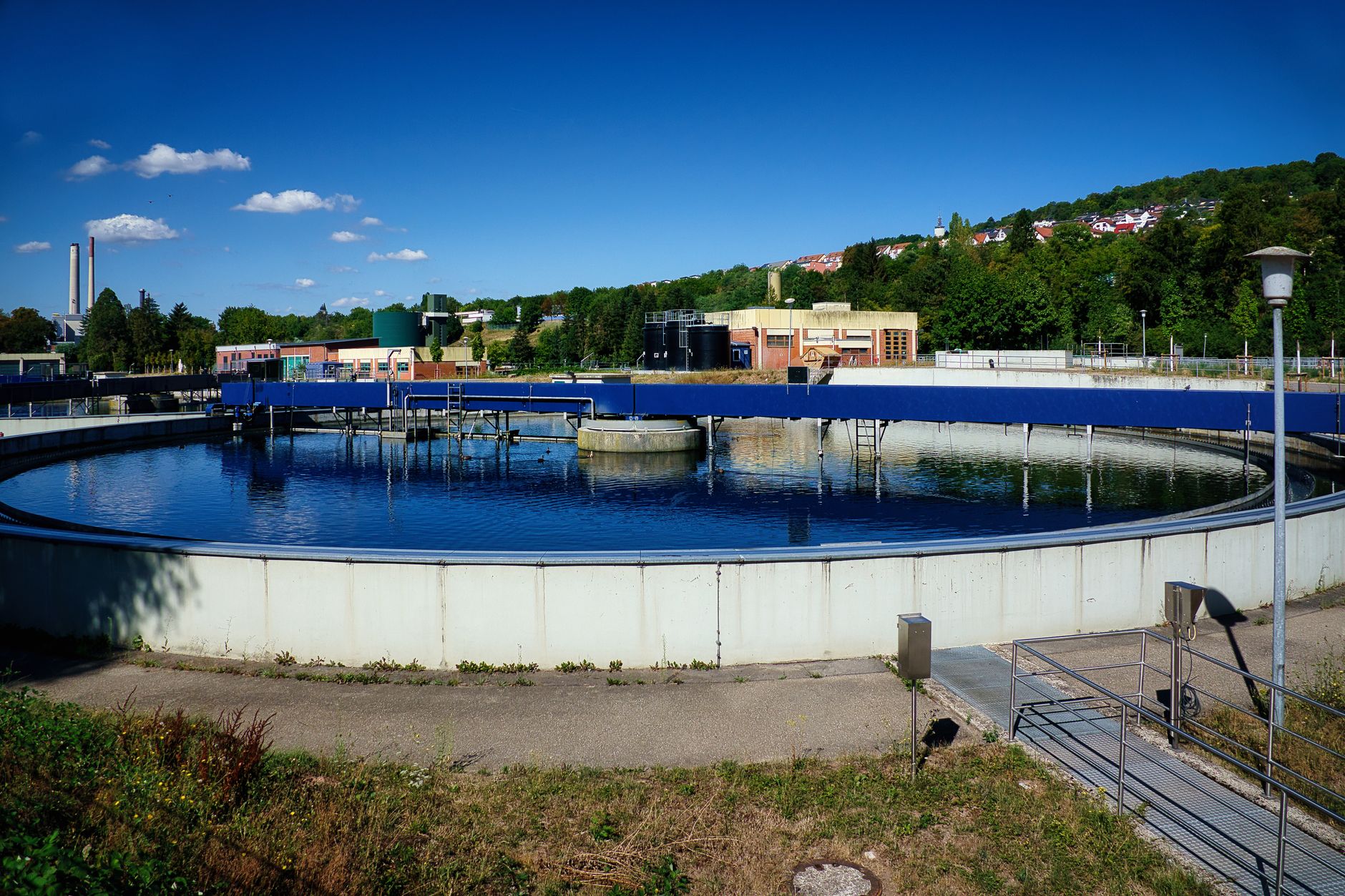
Representatives of the Sage Pointe Metropolitan District asked Logan County commissioners Aug. 11 to support an effort to secure about $1.9 million in private financing for a wastewater-system upgrade. They said an alternative financing plan could impose an estimated $690 monthly burden on homeowners, but commissioners took no formal action. The commissioners’ work-session discussion was recorded here.
The district serves the Sage Pointe subdivision. The county’s agenda identifies the matter as “Sage Pointe Subdivision – Engineer”, while the district’s official website identifies it as Sage Pointe Metropolitan District and says it provides sanitation and other public services. A November 2025 county minutes record also refers to a Sage Pointe issue involving the existing treatment facility.
Representatives sought a prompt indication of whether the county supported private financing. Commissioners said they would review additional materials, conduct research and potentially meet with district representatives and financing advisers. The county did not approve funding, endorse the proposal or set a formal decision date.
The district reported that 88% of the community had participated in what one representative called a “return,” presenting the figure as evidence of support for the board’s direction. The recording does not define the measure, identify its denominator or establish whether it refers to survey responses, ballots, agreements or another form of return. The discussion separately referred to about 89 homes but did not connect that number to the percentage.
Representatives said private financing, combined with grants and other assistance, could avoid the estimated $690-per-month burden under another financing approach. They offered to provide loan documents and payment information, but no proposal was available identifying the lender, interest rate, repayment term, fees, collateral, amortization schedule or the number of properties over which costs would be divided. The meeting did not establish what homeowners would pay under the private-financing plan.
Representatives described Oct. 1 as a possible point for moving more heavily toward Colorado’s State Revolving Fund financing if private financing is not secured. One speaker said the district would move “much more towards the pursuit of SRF funding” by then, but the recording did not establish that the shift was certain or that private financing had failed. They said SRF financing could require additional engineering, competitive bidding, contractor markups, construction oversight and other reviews. They estimated that the less-intensive private-financing approach could save hundreds of thousands of dollars in engineering and construction costs, but no project budget, engineering estimate or side-by-side financing analysis was available to verify those savings.
Representatives also said the district received money through a Colorado Department of Local Affairs engineering grant and that the grant’s use was tied to completing a model. The state’s water-funding guide describes wastewater grants and loans generally, but no project-specific award notice, amount, agreement or payment record was available.
The proposed permitting strategy also remains unresolved. Representatives said the current wastewater unit operates under a pilot permit and described a possible path in which the district would replace it, provide a basis of design and supporting documents, and seek what they called “retroactive approval.” They said Colorado’s Department of Public Health and Environment staff had expressed support and would not change the district’s permitting under the private-financing route. No written CDPHE approval or agency correspondence supporting those statements was available.
CDPHE’s facility-design guidance describes project-specific review processes and lists categories including new treatment works, amendments to existing treatment-plant site approvals, demonstration projects and in-kind replacements. The guidance does not approve the Sage Pointe proposal or establish that retroactive approval is available. No project-specific CDPHE permit record, permit number, approval, compliance schedule or written determination confirming the reported pathway was available for review.
Representatives said the current unit can handle about 25,000 gallons per day, compared with current flows of about 10,000 to 15,000 gallons per day. They estimated that an additional 5,000 gallons per day could serve roughly 50 more homes. The recording provides no engineering documentation to verify those capacity estimates or define the 88% participation figure.
The district’s financing terms, homeowner-cost calculation, grant records, engineering documents, current permit status and written CDPHE determination remain outstanding. Until those records are provided, the financing savings, projected homeowner burden, participation figure and proposed permitting timeline remain claims by district representatives rather than independently documented project facts.