
Colorado fire departments report funding and staffing gaps in 2026 assessment
A state assessment of 122 departments finds shortages in personnel, wildfire equipment, training and funding, but recommends no specific appropriation or implementation schedule.
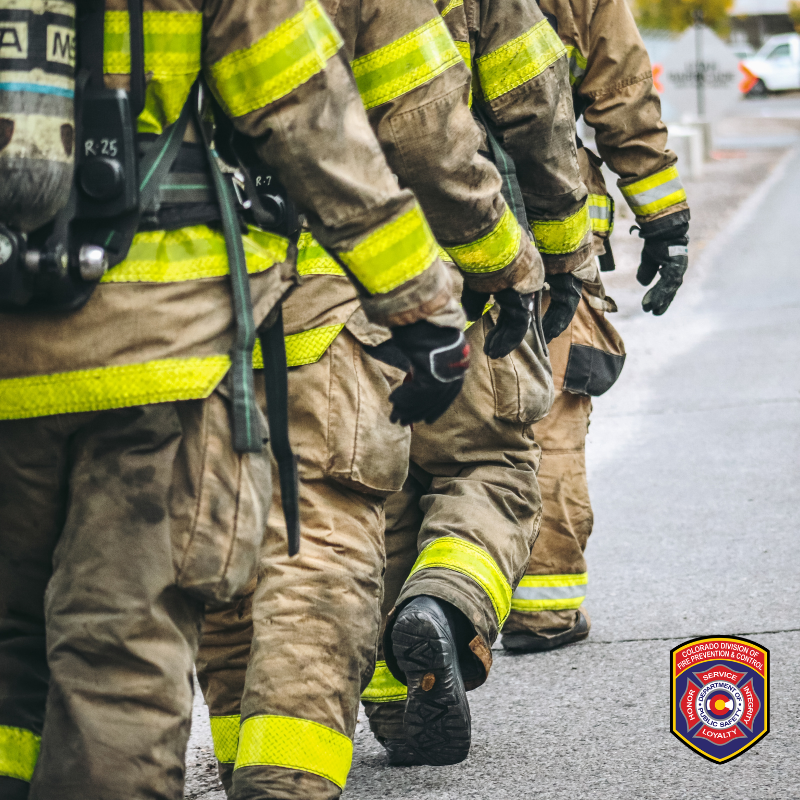
A 2026 Colorado assessment found widespread shortages in fire-department funding, staffing, training and equipment, based on responses from 122 departments.
The Colorado Division of Fire Prevention and Control assessment found that 66.4% of responding departments said their current funding is insufficient for all operations, while 78.7% said they lack funding for identified capability needs. The report also says 62.3% cannot fund the additional personnel they need, and more than two-thirds reported needs related to electric-vehicle and lithium-ion battery fires.
The staffing gaps can make it harder to assemble crews for simultaneous emergencies. Overall, 32.8% of departments said they frequently or often struggle to put together a full initial-response crew, and 40.2% said they rely on automatic or mutual aid at least monthly. The problem was more pronounced among all-volunteer departments: 55.3% reported frequent or often difficulty assembling a crew, compared with 6.1% of all-career departments.
Departments reported 6,431 paid and 1,878 volunteer firefighters, but identified a need for 1,345 more paid positions and 781 more volunteer positions — a combined shortfall of 2,126 positions. The report says 62.3% do not expect to have funding to add those positions.
Wildfire and emerging fire demands
Wildland and wildland-urban interface response were among the leading capability concerns. The assessment found that 60.7% of departments identified a need related to defending structures in the WUI, the highest-priority area among 10 capability domains. Another 67.2% identified a need related to electric-vehicle or lithium-ion battery fires.
Departments also reported needs for wildland firefighting personal protective equipment (73.8%), wildland fire shelters (68%), structural boots (64.8%), second sets of structural protective equipment (63.1%) and Nomex hoods (63.1%). Nearly two-thirds, 64.8%, cited facility remodeling or improvements, and 45.9% cited backup-power installation.
Interior firefighter skills were the top training priority, identified by 71.3% of departments, followed by wildland fire response at 63.9%. Access to classes and financial support were the most requested forms of help from DFPC, each cited by 63.1% of respondents.
The report does not identify particular counties or regions as having the largest shortages. It says the heaviest effects fall on all-volunteer departments and departments serving fewer than 10,000 residents, which reported the greatest difficulty assembling initial crews, the greatest effects from staffing shortages and the greatest likelihood of requesting DFPC resources. Departments serving 10,000 to 100,000 residents also warrant attention because they may face concurrent calls without the staffing depth of major metropolitan departments or the mutual-aid arrangements found in some smaller rural communities.