
Elbert County commissioners approve Shepherd solar and battery project
The board approved BayWa Renewables’ 199-megawatt solar facility and 100-megawatt battery project after the Planning Commission recommended denial in a 5-2 vote.
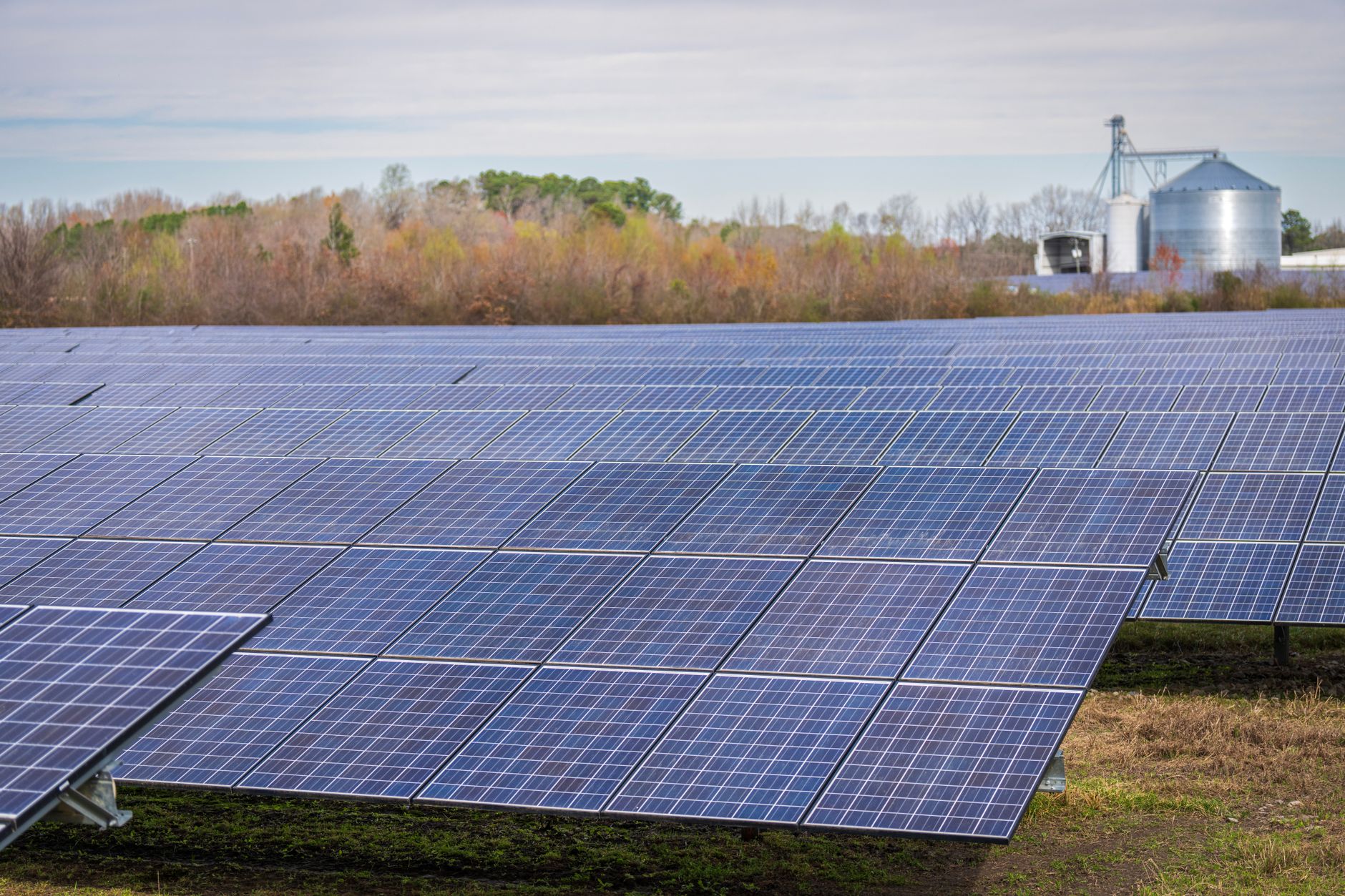
The Elbert County Board of County Commissioners approved BayWa Renewables’ Shepherd Solar project Sept. 9, overriding the Planning Commission’s 5-2 recommendation to deny the applications.
The project includes a proposed 199-megawatt solar facility, a 100-megawatt battery energy storage system, a substation and an operations and maintenance building on about 1,990 acres of agricultural land in southeastern Elbert County. The site is near an existing Tri-State transmission line.
The board approved a Major 1041 permit and a Special Use by Review application. The approvals include conditions involving fees, final plans, recording project documents, a road-use agreement and concurrent approval of both permits, [the county’s resolutions state](https://elbertcoco.api.civicclerk.com/v1/Meetings/GetAttachmentFile(fileId=9885).
Why the Planning Commission recommended denial
At its Sept. 1 meeting, the Planning Commission held more than three hours of combined hearings before recommending denial of both applications by the same 5-2 vote. Commissioners Ken Madsen, Kyle DeNardo, Nicole Hunt, Dede Schott-Grace and Kevin Kirkwood voted for the recommendations. Dan Guthrie and John Gresham voted against them.
For the Major 1041 permit, the commission cited criteria involving natural hazards, environmental degradation, nuisance, potential hazardous-material releases, whether the project’s benefits outweighed its losses, and screening and buffering. For the special-use application, it cited compatibility with surrounding agricultural and rural-residential uses, landscaping, buffering and screening, and potential effects on county health, safety and welfare, [according to the Planning Commission’s draft minutes](https://elbertcoco.api.civicclerk.com/v1/Meetings/GetAttachmentFile(fileId=9904).
Residents who testified raised concerns about agricultural land, water use, wildlife and habitat, traffic, road maintenance, construction impacts, battery-system fire risk, severe weather, noise, lighting and the project’s fit with the county’s rural character. The minutes list 10 speakers opposed to the project and no speakers in favor.
BayWa representatives described environmental, wildlife, wetlands, water and natural-hazard reviews, as well as proposed mitigation, buffers, fencing, emergency planning, road agreements, local hiring and contracting. The minutes summarize the presentations rather than provide a verbatim transcript.
The commissioners’ individual votes were not listed in the approval resolutions.