
Colorado extends disaster emergency for Aspen Acres and Gold Mountain fires
A 30-day extension keeps emergency powers active as burn-scar flooding, debris flows and infrastructure damage continue to affect communities in three counties.
Published at
Colorado extended its disaster emergency for the Aspen Acres and Gold Mountain fires for 30 days on Aug. 21, keeping state authority in place for wildfire suppression, burn-scar flood and debris-flow mitigation, recovery, National Guard support and emergency medical response.
The extension runs through Sept. 20 unless Gov. Jared Polis issues another order. The executive order covers the Aspen Acres Fire in Custer and Pueblo counties and the Gold Mountain Fire in Ouray County.
Flooding after the Aspen Acres fire damaged homes in Rye, Colorado City, Beulah and San Isabel, the order says. Roads, culverts and bridges were eroded or undercut. One Beulah resident died in floodwaters after 1 to 1.5 inches of rain fell over the community in 90 minutes on Aug. 16, according to the order.
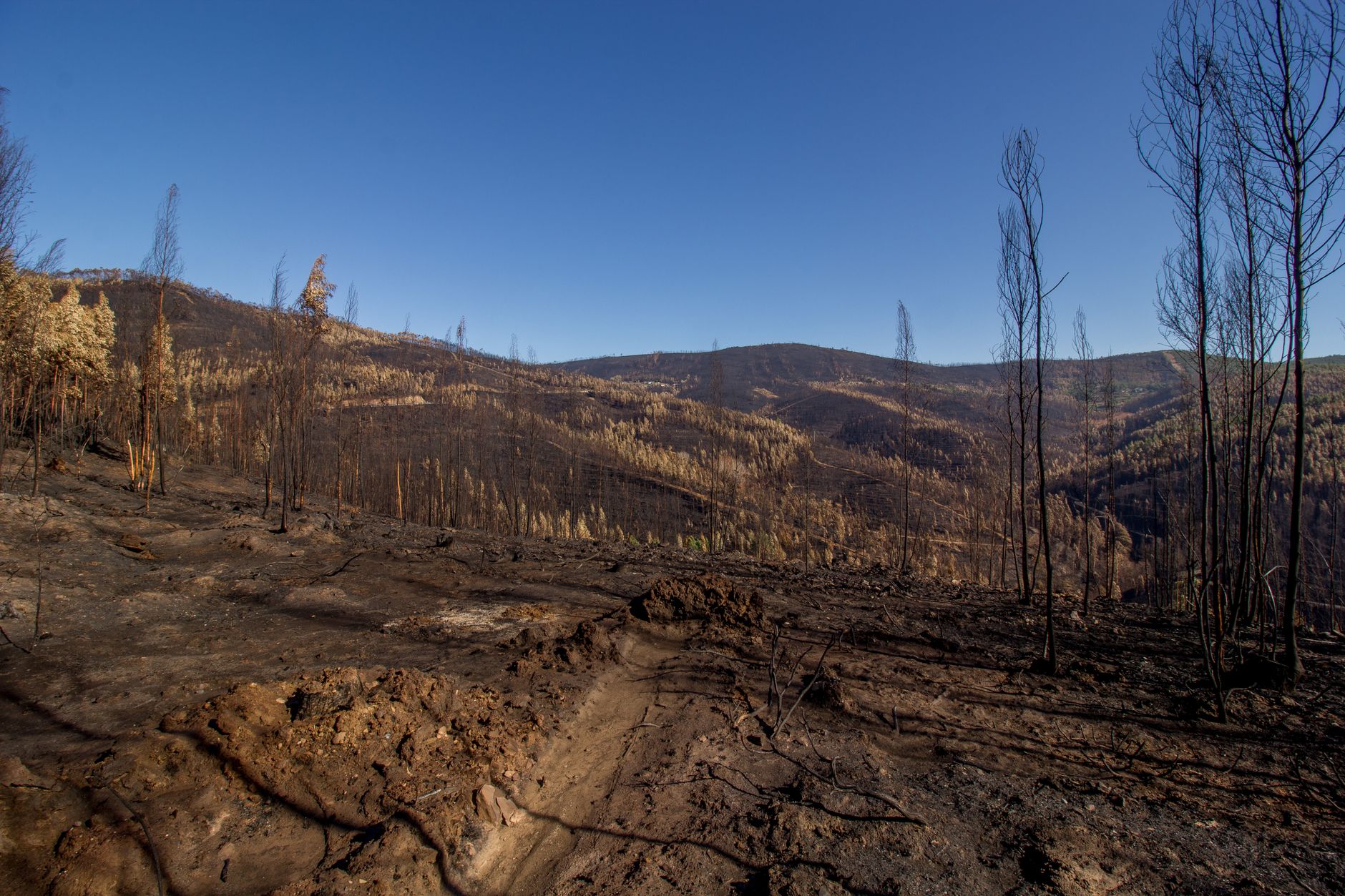
In the Gold Mountain burn scar, debris flows, rockslides and flooding damaged county roads, homes and electric, water and natural-gas facilities. State Highway 550 was among the roads closed after July 26 debris flows. Modeling cited in the order indicated that as many as 150 homes could be at risk from future flooding and debris flows after as little as 0.4 inches of rain. The order does not identify the model or agency behind that estimate.
The official Aspen Acres incident page listed 102,004 acres burned, 77% containment and 153 personnel as of Aug. 21. The latest Gold Mountain operational update located for this report, dated Aug. 17, listed 39,691 acres, 87% containment and 115 personnel. It said closure orders remained in effect in affected areas, including Owl Pass Road, and warned that fire-weakened trees, ash pits and eroded roads and trails could remain hazardous for weeks or months.
The order authorizes unarmed Colorado National Guard members to support suppression, response and recovery as determined by the Colorado Department of Public Safety. It also temporarily suspends certain licensing and practice requirements so qualified out-of-state emergency medical providers from outside the interstate EMS Compact can assist when requested through Colorado’s incident-command structure. The order does not state how many Guard members, EMS providers or other resources are deployed.
Ouray County has established a community-needs form and hotline for residents and families seeking help with immediate needs. The county also created a reentry-credential process requiring documentation tying residents to impacted properties. Submitting a needs form does not guarantee assistance, the county says.
Federal firefighting aid has been approved, but the records reviewed do not establish direct household payments. A FEMA operations briefing identifies Aspen Acres as FMAG 5642-FM-CO and Gold Mountain as FMAG 5643-FM-CO. FEMA’s Fire Management Assistance Grant program funds eligible firefighting costs; it is not a general home-repair or household-damage program.
The governor’s order says funds referenced in an earlier emergency order remain available for their stated purposes for 72 months, but the accessible records do not disclose the funding source, amount available or dollar value of either fire-management grant. The review also found no fire-specific FEMA Individual Assistance registration announcement or Small Business Administration disaster-loan application period for the fires. The absence of an announcement should be rechecked before publication if residents are to be directed to a federal application.
The extension keeps state emergency authorities available while suppression and recovery continue. Current records do not provide a single Aug. 22 account of evacuation status, utility outages, infrastructure damage or resident-aid eligibility across all affected communities. The latest Gold Mountain operational information located for this report was from Aug. 17.