
Washington County adopts battery-storage zoning rules, ending moratorium
The rules require special review, extensive safety documentation, a 1,000-foot occupancy setback, insurance and full decommissioning security for battery-storage facilities of at least 1 megawatt.
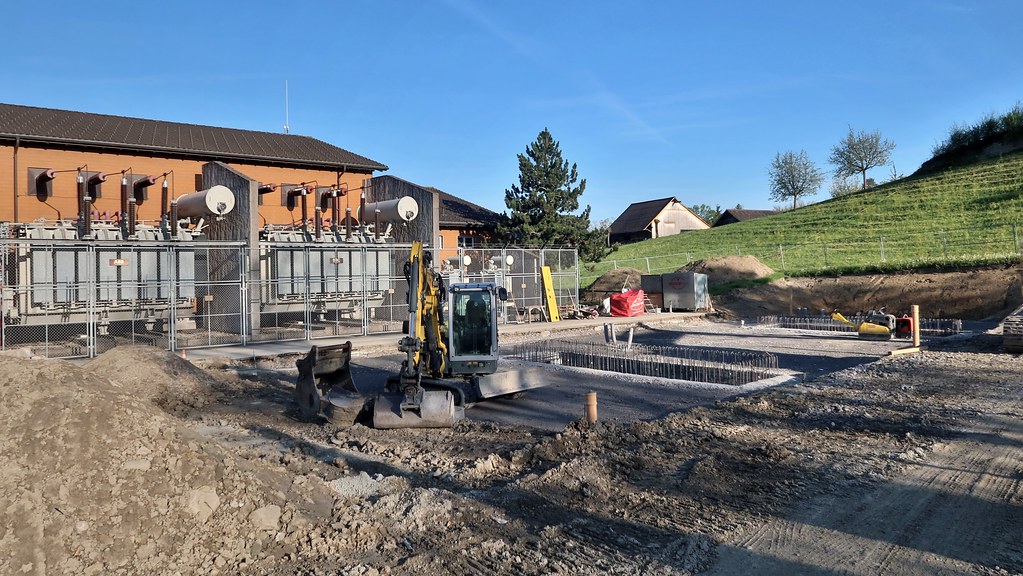
Washington County has adopted its first zoning rules for battery-energy-storage systems of at least 1 megawatt, ending a temporary moratorium and setting requirements for siting, review, safety and abandonment. The Board of County Commissioners’ Resolution 16-2026 was approved April 14, 2026.
The rules apply to battery-storage facilities in unincorporated Washington County, including systems paired with wind or solar projects and systems at substations or on transmission and distribution infrastructure. Each project must obtain a use-by-special-review permit.
As of Aug. 12, county public records reviewed for this update do not identify a pending, submitted or publicly announced battery-storage application or specific project under the new framework. The county’s Planning and Zoning Department records describe the regulations and application process but do not name an applicant or facility. The county’s 2026 resolutions index also does not list a later battery-storage project approval. The review cannot rule out an informal or otherwise unposted inquiry.
Applicants must submit site surveys; equipment and electrical plans; fire-control and emergency-response plans; wildlife and environmental studies; economic-impact information; water-use and waste-disposal plans; utility-interconnection documents; and a decommissioning and site-restoration plan. Notices must be mailed to adjacent property owners and owners within 2,500 feet of the site boundary.
Applications first undergo a completeness review by the Planning and Zoning Department. Complete applications go to the Planning and Zoning Commission for a noticed public hearing and recommendation, followed by a separate public hearing and decision by the county board. The board must decide within 30 days after its hearing concludes.
Facilities generally must be at least 1,000 feet from buildings used for human occupancy or assembly, including homes, schools, child-care facilities and churches. They also must be at least 60 feet from property lines and public, private and county roads, and 150 feet from the center point of an adjacent road intersection. A written waiver from a building owner may allow a reduced occupancy setback.
Safety requirements include an eight-foot fence with a self-locking gate, a 20-foot unvegetated buffer, compliance with NFPA 855 and applicable electrical and building codes, and UL 9540 certification and test results before commercial operation. Emergency plans must address fires, explosions, releases and damage to critical components. Applicants must pay for initial training and equipment for local law enforcement, fire, ambulance and emergency-management agencies.
Owners must carry at least $5 million in liability insurance per occurrence and $10 million in aggregate coverage. Before construction or installation, they must provide a surety bond, letter of credit or cash equal to 100% of estimated decommissioning costs. The financial security must be updated every two years.
A facility that is not operational for 12 consecutive months may be considered abandoned. Owners generally must provide advance notice to the Planning and Zoning Department, remove the facility and restore the site within one year unless an extension is approved. Decommissioning includes removing equipment and structures, lawfully disposing of waste, addressing soil and vegetation, and restoring the site.
The county’s 2025 resolutions index lists Resolution 59-2025 as a temporary battery-energy moratorium; Resolution 16-2026 formally ends it. The new rules followed four Planning Commission hearings from November 2025 through February 2026 and Board of County Commissioners hearings in March. The resolution says the board considered public testimony and the Planning Commission’s recommendation, but the available record does not identify a specific project or incident that prompted the regulations.
Future applicants also will be responsible for county review-consultant costs, application and permit fees under the county fee schedule, applicable sales or use taxes and an impact fee. Permits last three years, with extensions capped at six years from the original approval date. The Planning and Zoning Department will administer the process.