
Colorado adds Sheep Head Fire to emergency response, moves $1.26 million
A July 29 order adds the contained Sheep Head Fire in Huerfano County to Colorado’s wildfire emergency response and authorizes state funding and Guard support. A separate order encumbers $265.8 million for four other fires.
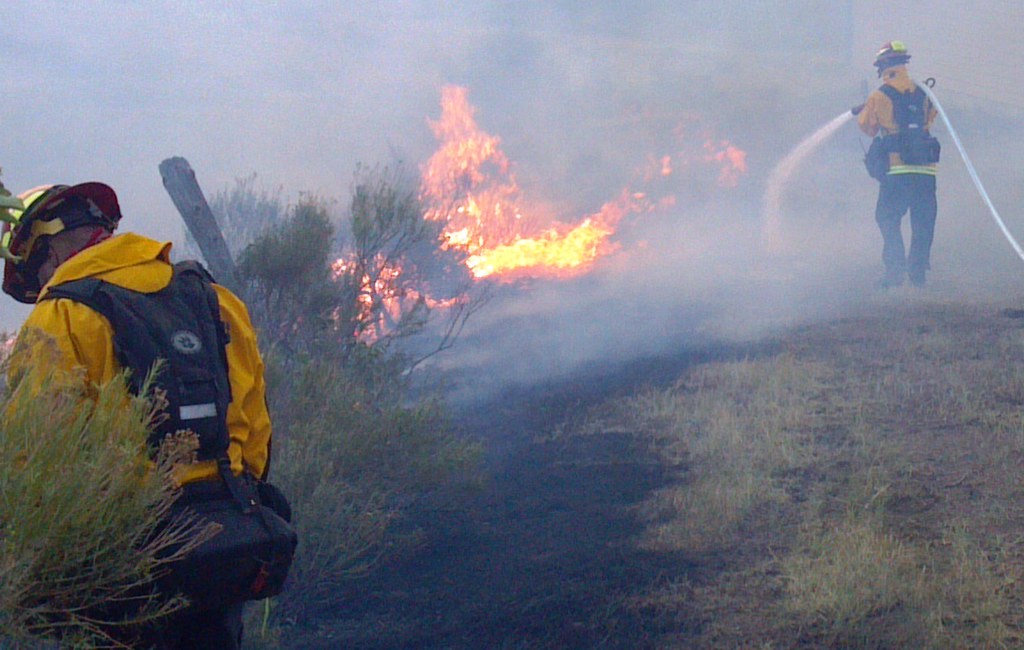
Colorado added the Sheep Head Fire near Walsenburg to the state’s wildfire emergency response July 29, moving $1.26 million into the Disaster Emergency Fund as officials assess damage from the Aspen Acres Fire and warn of flash flooding over burn scars.
Executive Order D 2026 010, signed by Gov. Jared Polis, memorializes emergency actions that began June 30 for the fire, which started June 29. The order says the fire had burned 1,322 acres and was 100% contained as of July 21.
The order authorizes unarmed Colorado National Guard members to assist with suppression and response. It covers suppression, response, consequence management, mitigation and recovery, and directs state agencies to pursue available federal funding. Because the Disaster Emergency Fund lacked enough money for the costs, the order transfers $1.26 million from the State Emergency Reserve Cash Fund and encumbers it for fire-related expenses. The money remains available for up to 72 months, while the emergency order expires 30 days after June 30 unless extended.
A separate July 24 executive order extends the emergency for the Snyder, Gold Mountain, Willow and Aspen Acres fires for 30 days and authorizes unarmed Guard members to support operations. It transfers $103.8 million to the Disaster Emergency Fund and encumbers $265.8 million for suppression, response, consequence management, mitigation and recovery. The order says FEMA approved Fire Management Assistance Grants for Gold Mountain, Willow and Aspen Acres.
Aspen Acres assessments
Joint preliminary damage assessments for the Aspen Acres Fire began Wednesday, July 29, and were scheduled to continue Thursday, July 30, the Colorado Division of Homeland Security and Emergency Management said. Teams from Pueblo and Custer counties, DHSEM, FEMA, the U.S. Small Business Administration and Colorado 211 are verifying damage.
The assessments will examine damage to public infrastructure, emergency protective measures, people and primary homes. The results could help the governor decide whether to request a major disaster declaration and which areas or assistance categories might qualify. No major disaster declaration was reported in the records reviewed.
The state’s July 27 status report listed Aspen Acres at 101,921 acres and 66% containment as of 8 a.m. It did not provide newer statewide totals for evacuations, displaced residents, damage or assistance recipients.
Flood risk and recovery help
The National Weather Service office in Pueblo warned Wednesday that showers and thunderstorms could produce very heavy rain, with the highest risk over the Aspen Acres burn scar. Officials said field work could be revised if conditions became unsafe.
A Recovery Assistance Center is open from noon to 6 p.m. weekdays at Beulah Heights Elementary, 2670 Delphinium St. in Pueblo. Residents can also seek help through Colorado 211, the Colorado Disaster Recovery Hub, county recovery pages and voluntary organizations. The state lists Crisis Cleanup and Airbnb.org transitional housing for eligible residents; people should check with 211 or county emergency-management officials before traveling.