
Colorado PUC fast-tracks Public Service resource-adequacy review
The commission ordered Public Service to submit forecast comparisons by July 31 as it reviews options for meeting 2027-28 electricity needs, including a possible delay of Comanche Unit 2’s retirement.
Published at
The Colorado Public Utilities Commission on July 15 unanimously approved an expedited review of Public Service Company of Colorado’s resource-adequacy application for 2027 and 2028. The options include accelerating gas turbines at Fort St. Vrain, repairing Hayden Unit 2, extending power-purchase agreements, signing a new gas PPA and delaying Comanche Unit 2’s retirement, the meeting record shows. The action was procedural, not a final decision on any option.
The commission authorized 14 additional permissive intervenors, alongside parties that intervened as of right, including commission staff, the Colorado Energy Office and the Utility Consumers’ Advocate. It also approved a remote evidentiary hearing; commissioners identified the week of Nov. 2 as the only feasible window, but no specific date had been set in the July 15 record.
Public Service must file supplemental direct materials by July 31. The filing must include side-by-side, executable workpapers comparing the company’s low-load forecast with its March 31 resource-plan update, March 13 filing and assumptions from the second phase of its just-transition solicitation. Commissioners also requested explanations for changes in load forecasts, accredited resources, capacity, resource-position tables and project-level assumptions.
The commission particularly focused on large-load assumptions. Advisors said the latest cumulative forecast appeared about 700 megawatts lower for 2026 and about 1,400 megawatts lower for 2027 than testimony in the utility’s gas-transportation-system case. Public Service must clarify whether those changes are reflected in its loads-and-resources analysis, identify the large-load customers included in the 2027 and 2028 forecasts and provide their annual megawatt amounts and forecast categories. It also must submit actual monthly coincident peak loads and generation during peak-demand hours, including behind-the-meter generation, from August 2025 through the filing date.
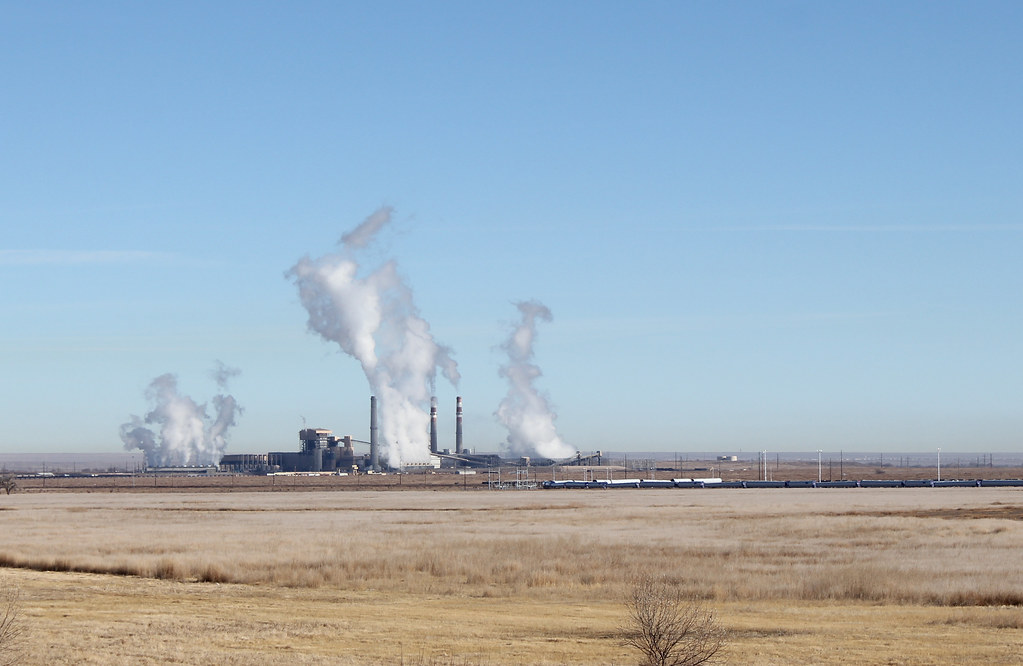
The Comanche proposal would move Unit 2’s planned retirement from Dec. 31, 2026, to March 31, 2028. The July 15 discussion tied the request to the need for a resource-adequacy decision by the end of 2026, expected load growth, unit-availability concerns and the limited supply of quickly buildable thermal resources. The commission did not approve the extension as a final operating decision.
The action advances the fast-track process accepted June 24. At that meeting, commissioners sought clearer explanations for changes from Public Service’s March resource-adequacy materials, including resource-position tables, project assumptions, forced-outage rates and accredited capacity, according to the earlier discussion. The record does not establish exact before-and-after megawatt values for every option. The commission’s Research and Emerging Issues page lists a “Near-Term Resource Adequacy Update” dated May 6, placing the case in its broader review of near-term capacity issues.